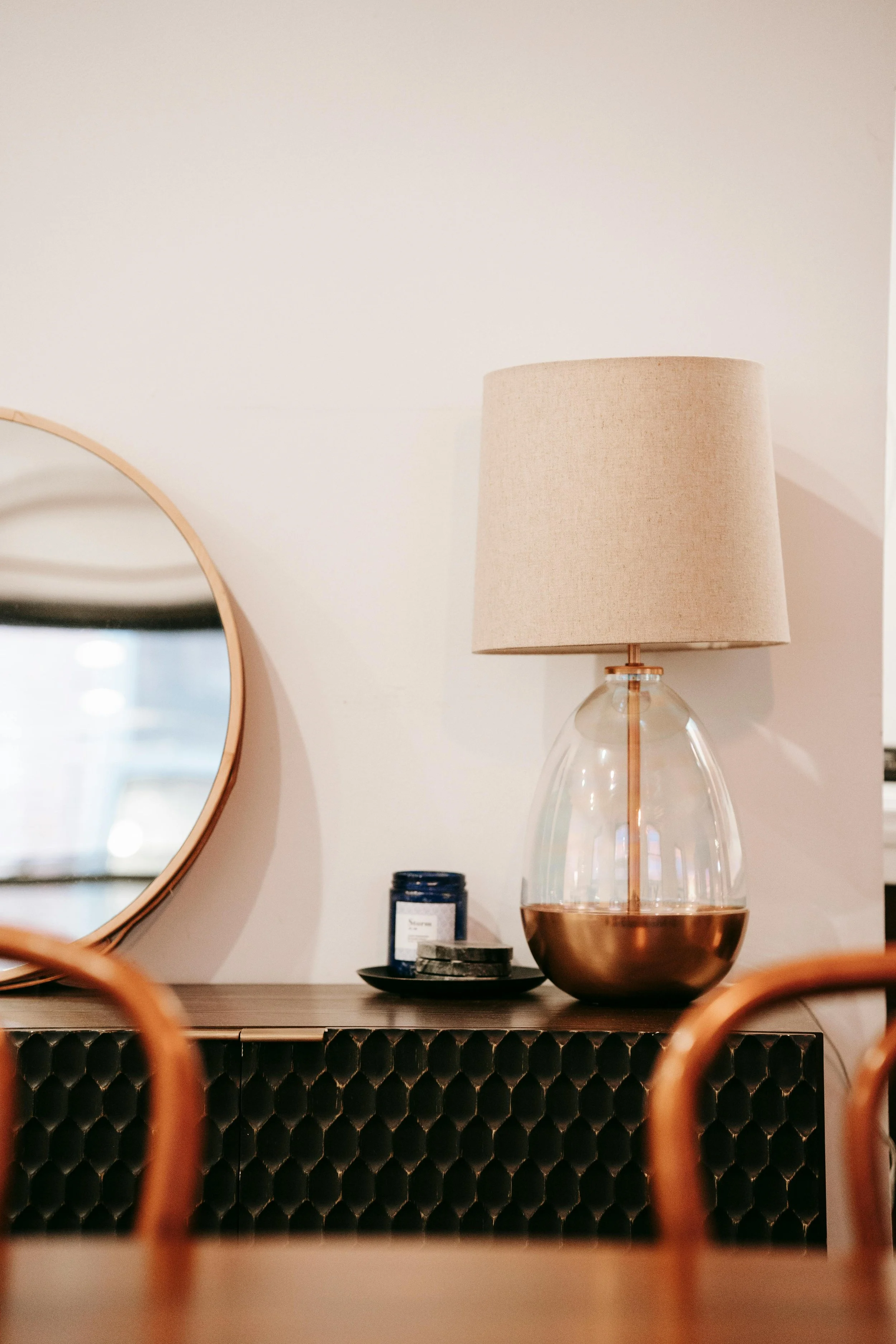
One of the biggest misconceptions in design is that everything has to match.
In reality, the most elevated spaces rarely do.
Layering different wood tones—when done correctly—creates depth, warmth, and a collected feel that instantly makes a home look more refined. But when done wrong, it can feel disjointed and chaotic.
At Aspen & Oak, mixing tones is part of our design process—and it’s one of the most powerful ways to elevate a space.
1. Start With a Dominant Tone
Every space needs a foundation.
Choose one primary wood tone to anchor the room—this is typically your largest or most prominent piece:
a dresser
a coffee table
a dining table
This tone sets the direction, while everything else supports it.
2. Stay Within the Same Temperature
Not all wood tones are created equal.
The key is keeping them in the same family:
warm tones (golden, beige, honey, bleached)
cool tones (gray, ashy, weathered)
Mixing temperatures without intention is what creates that “off” feeling.
At Aspen & Oak, we often lean into warm neutrals and bleached finishes to keep everything cohesive.
3. Create Contrast—On Purpose
Contrast is what makes a space interesting.
Pairing a lighter wood with a darker element (like matte black or deep-toned furniture) creates balance and visual depth.
This is why two-tone pieces—like natural wood paired with black—work so well. They do the mixing for you in a controlled, intentional way.
4. Repeat Tones Throughout the Space
Consistency creates cohesion.
If you introduce a secondary wood tone, repeat it at least once or twice:
in décor
in another furniture piece
in subtle accents
This keeps the space from feeling random and instead makes it feel thoughtfully designed.
5. Use Texture to Bridge the Gap
Texture softens transitions between tones.
Elements like:
woven baskets
neutral textiles
linen or ceramic décor
help blend different finishes together so the contrast feels natural instead of harsh.
6. Keep the Overall Palette Simple
Mixing tones doesn’t mean adding more chaos.
Stick to a refined palette of:
2–3 wood tones max
neutral supporting colors
minimal bold accents
This keeps the space feeling elevated, not overwhelming.
The Aspen & Oak Approach
We design our pieces to mix effortlessly.
Whether it’s a bleached wood dresser paired with matte black accents, or a natural wood console styled with warm neutrals, our goal is always the same:
To create pieces that work together—without needing to match.
Bringing It Into Your Home
If you’re unsure where to start, begin with one strong piece and build around it.
Mixing wood tones isn’t about rules—it’s about balance, repetition, and intention.
And when done right, it creates a space that feels layered, natural, and undeniably high-end.
Shop the Look
Our pieces are designed to mix, match, and elevate your space effortlessly.
Whether you’re furnishing a home, staging a property, or designing a custom piece, Aspen & Oak offers furniture created with intention and timeless style.
Located in Monument, Colorado.
Delivery available to Colorado Springs, Denver, Castle Rock and surrounding areas.
→ View Available Pieces
→ Request a Custom Piece
WHY THIS ONE WORKS
Solves a real fear buyers have (messing up their space)
Positions you as the expert guide
Naturally leads to:
“just buy from Aspen & Oak so it’s done right”